


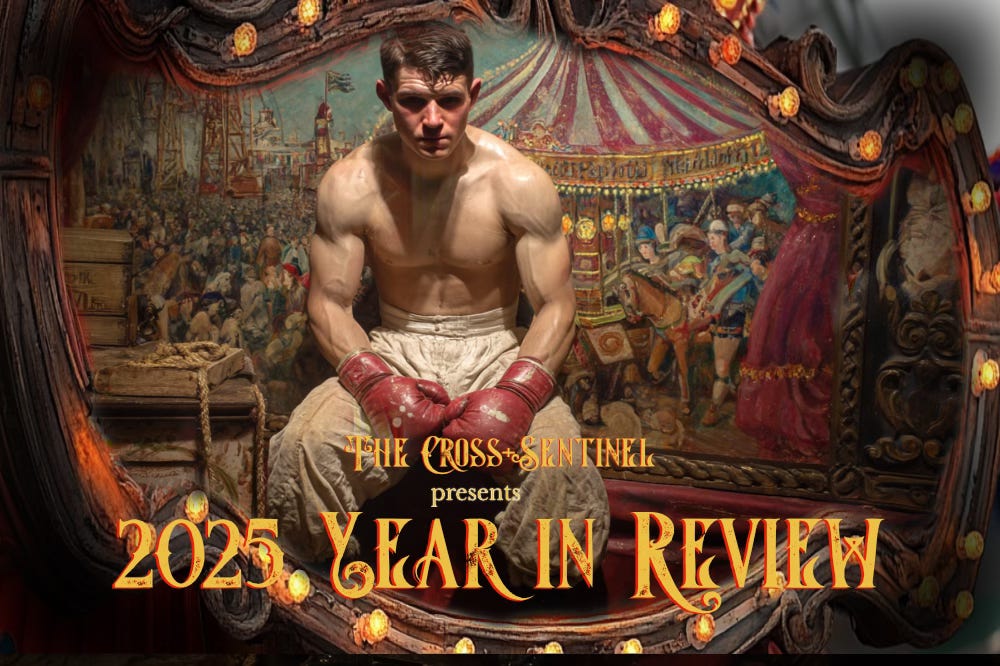
Well that’s a wrap!
I trust your Christmas season was wonderful and that the New Year will bring glory to God and blessing to his saints!
As the year turns around, I recall the mighty passage from St Paul:
“I press on, that I may lay hold of that for which Christ Jesus has also laid hold of me. Brethren, I do not count myself to have apprehended; but one thing I do, forgetting those things which are behind and reaching forward to those things which are ahead, I press toward the goal for the prize of the upward call of God in Christ Jesus.”
2025 was a wild ride, but we remember it with the discernment that time can bring and look to the new year with the hope of salvation always in our minds. It is hard to categorize the last 12 months and yet, looking over last year’s annual, it’s obvious that despite the firehose of news and the simmering uncertainty abounding, familiar things were driving so much of our political life.
As with his first term, President Trump blocked out the sun. His first hundred days were a giddy ride of taking a hammer to diversity and inclusion policies, defining men and women and honoring the US’ Christian history. By executive order, President Trump effectively shut the border proving that it wasn’t all that hard to do as Democrats had claimed. The Supreme Court was kept busy this year, with a shadow docket dedicated just to putting out fires created by Trump or reactions to him. Parental rights, female athletes, Christian organizations, were victorious last year at the Court, with many important cases to be decided at the end of this term in 2026. His “Don-roe Doctrine” foreign policy took shape–as much as is possible with Trump–with Israeli hostages home, a brazen attack on Iran’s nuclear capability and a precision abduction of Venezuela’s tyrannical leader were impressive feats no matter which way you slice it.

Now we await year two..
I was going to follow my formula of nominating the “winners and losers” for 2025, but, as you will see, there is a bit of both mixed together everywhere. Truth and beauty sit alongside power and violence. So you can decide for yourself and let me know what you think!
I intend to return to regular Sentinel editions next week, Deo volente!
God’s peace to you!
Frisby
Conservatism–A Reckoning
What does it mean to be conservative? Each generation has to answer that for itself—what it is conserving, what it opposes, and what it is willing to fight for. In 2025, conservatism rode as one passenger on the yuuge Trump train, producing unlikely alliances and moments of genuine cultural whiplash (Who had “Nicki Minaj defends Nigerian Christians at AmFest” on their bingo card?).
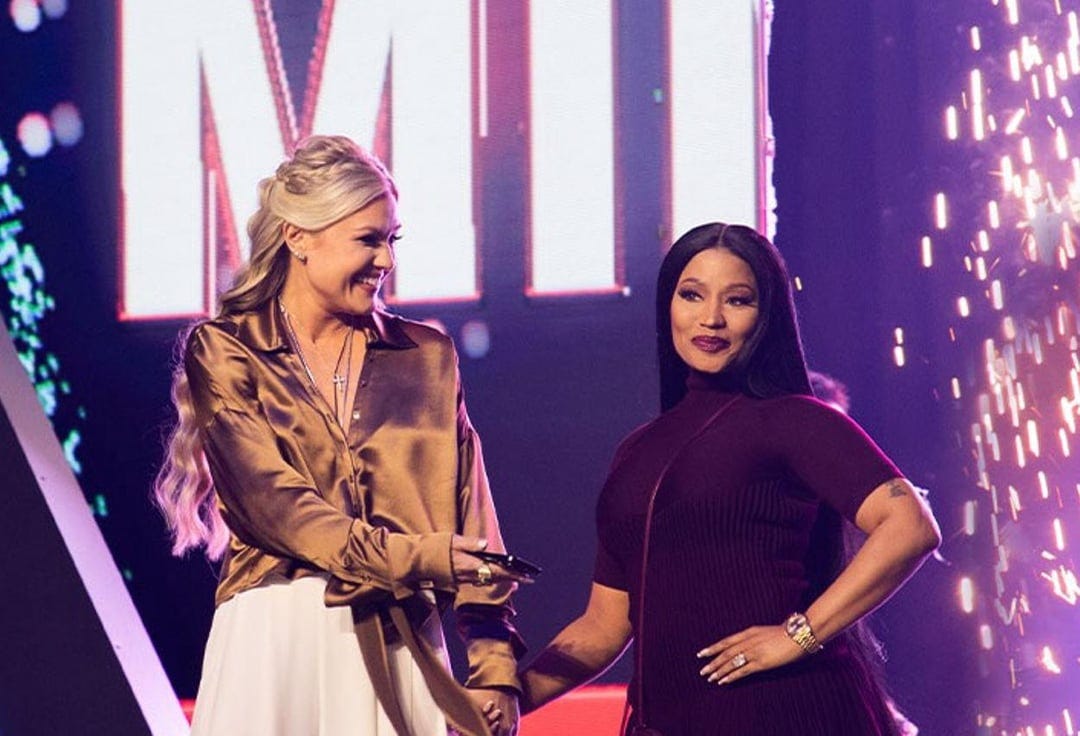
The year also exposed fractures. Many “not-Left” voters—former liberals who fled the Democrats over transgender ideology, open borders, or indulgence of antisemitism—discovered they couldn’t MAGA all the way to core conservative commitments: biblical marriage, opposition to abortion and Big Fertility, or the more basic claim that America’s moral order rests not on vague “Western values” but on Christianity. The result was a year of intra-MAGA skirmishes over national identity, foreign policy, free speech, and moral responsibility. The unity was thin—but the arguments at least proved conservatism is not afraid of debate.
The Left was no less divided, torn between doubling down on progressive orthodoxy or “be more normal.” They chose poorly. In September, Senator Tim Kaine illuminated the Left’s M.O, arguing that rights come from government, not God. Leaving such an important thing up to a deity, he insisted, would just lead to squabbles over whose god was superior. Around the same time, Zohran Mamdani, seen by some Democrats as the future of the party, dazzled New Yorkers with his portrayal of government as the source of every good thing. “We will prove that there is no problem too large for government to solve, and no concern too small for it to care about,” he proclaimed, promising to replace the “frigidity of rugged individualism with the warmth of collectivism.” He was sworn in on the Quran.
As politics drifted further from any shared middle, Republicans worried their candidates weren’t conservative enough, while Democrats worried theirs weren’t sufficiently radical. In that environment, voters lose. Lawmakers no longer fear general elections so much as primary challenges from their most extreme factions.
Power–Instructions Not Included
Power — who has it, and what to do with it — was the great unresolved theme of 2025. Conservatives, long accustomed to opposition, suddenly found themselves holding the reins and arguing about where to go. Will truth prevail with cordial debate, or is there no rationality left on the progressive side to salvage? While most of the lawfare cases launched against President Trump under the Biden administration collapsed or were dismissed — a small hurrah for a justice system that mostly still works, figures tied to the Russia-collusion hoax and officials who had gone out of their way to target Trump found themselves under investigation. There were no headline arrests, still warnings within the Right about setting an executive power precedent that could come back to bite were countered with the argument that this was just returning fire.
The Left, stripped of power, handled it poorly. Trump’s Sharpie delivered day-one executive orders undoing progressive priorities and sending shockwaves through the bureaucracy. Secretary of War Pete Hegseth summoned generals and made clear there would be no more fat soldiers or transgender poppycock in the military. Revolt became commonplace. Health departments rebelled over RFK’s vaccine reviews. Audits under DOGE sparked outrage. Layoffs at the State Department produced public weeping. Rumors swirled of sabotage inside intelligence agencies as unaccountable officials bristled at being questioned at all.
At street level, activists slid into despair. Left-wing commentators agonized over how to remain hopeful when fellow Americans had proved themselves to be so nasty. Progressives traded tips on managing anxiety: turn off the news, touch grass, even—brace yourselves—lift weights (which last I checked was basically fascist). Others fretted that they might not be able to bring their “whole selves” into the office. I could tell them that what they’re feeling now is exactly how conservatives felt during COVID and the Biden years. But they’ll learn soon enough that faith in government always ends the same way — in disillusionment.
Violence–Turning the Volume Up
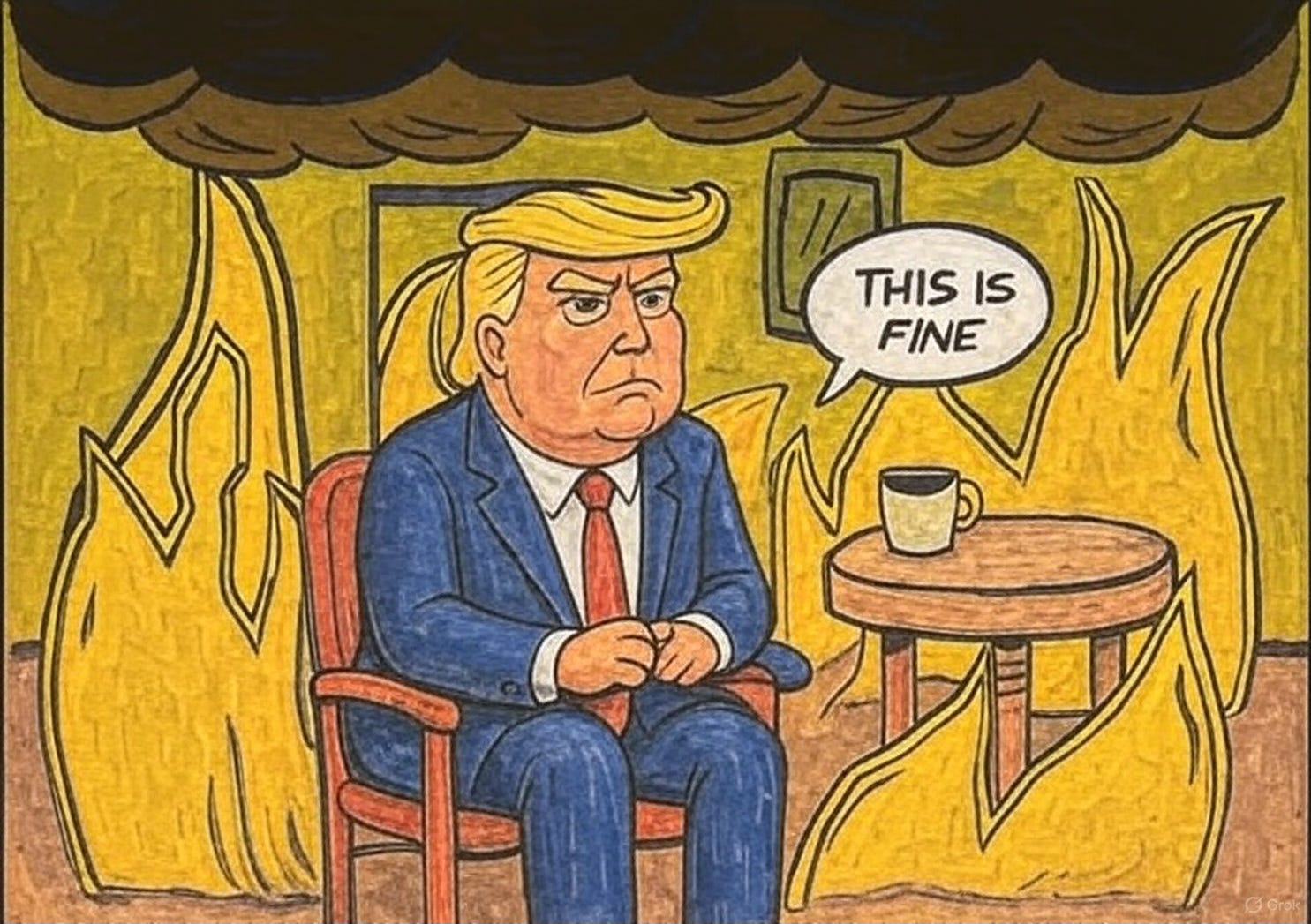
Peaceful living lost out in 2025. There were acts of grievance and delusion—an anti-natalist bombing an IVF clinic in California, a rage-filled former veteran ramming his truck into a Mormon church, a mentally unstable man murdering two Minnesota lawmakers and their spouses. All were horrifying. Yet it was Trump’s return to the White House that progressives treated as moral license to rage, with media and lawmakers blurring speech and violence while dismissing real disorder: Antifa’s designation as a terrorist organization was labeled paranoid, National Guard deployments were framed as a nascent military coup even as New York City’s outgoing police chief was caught massaging crime stats. A Trump insult became an “invitation to violence,” while explicit violent fantasies from a left-wing lawmaker slid by with barely a shrug.
While right-wing violence was framed as the greater threat—despite the data—the year’s worst chaos clustered around left-wing causes: Antifa thuggery, Islamist antisemitism (here, here and here), and anti-deportation fury. Vandalism of Tesla dealerships and vehicles over Elon Musk’s cooperation with the administration was coordinated. Trans-ideology drove a young man to carry out the Ascension School shooting in Minneapolis; new information showed Trump’s would-be assassin in Butler was dabbling in trans culture.
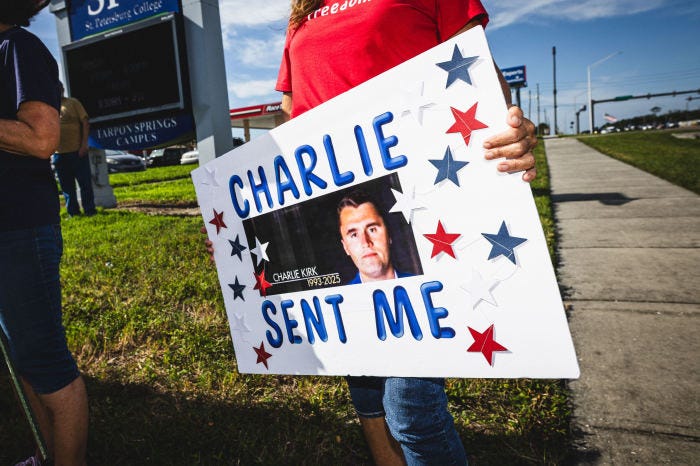
The assassination of Charlie Kirk—and the ghoulish glee that followed—stripped away all remaining euphemism. The question in 2025 was no longer whether political violence would occur, but how openly it would be justified.
Elites–A Credibility Collapse
The prestige of the ruling class kept hemorrhaging in 2025, with the humanity of our elites continually on full display. The ghost of Jeffrey Epstein (no, not that Jeffery Epstein, Rep. Crockett) hovered over politics all year. There will likely never be a clean list of associates, but what Eli Lake dubbed the “Epstein scandelabra” persists because it confirms what many already suspect: elites are decadent, coordinated, and rarely held accountable.
Efforts to rein in the state fared little better. The DOGE chainsaw proved “a little bit successful,” though it did shrink the federal workforce. Dire warnings followed—yet the longest government shutdown in U.S. history passed with barely a ripple for ordinary Americans, raising an awkward question about how “essential” the bureaucracy really is.
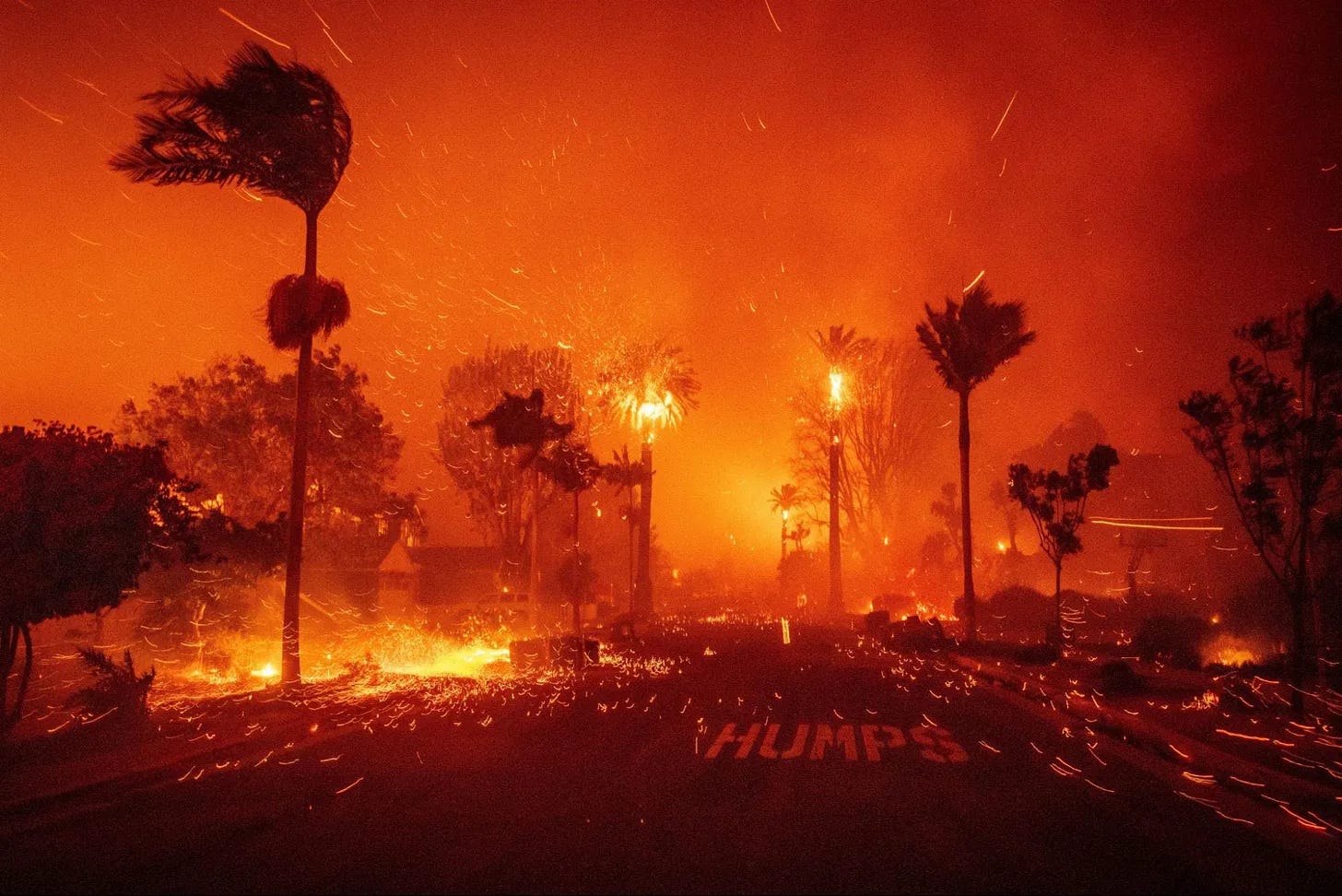
Meanwhile, real-world failures piled up: devastating Palisades wildfires, a shocking fatal plane collision carrying champion figure skaters, catastrophic flooding at Texas’ Camp Mystic. Different tragedies, same pattern—ignored warnings, unfunded mitigation, and responsibility diffused upward until it vanished. Lawsuits followed. So did fury after the murder of Ukrainian immigrant Iryna Zaruska by a repeat offender, exposing elite luxury beliefs about race and “restorative justice” that keep dangerous men cycling back onto the street.



Honesty–Critically Endangered
Anyone with pre-teens will recognize “6–7,” the all-purpose verbal tic of 2025—greeting, insult, deflection, whatever you need it to be. Linguist John McWhorter noted that its appeal lies precisely in its emptiness: it “doesn’t mean anything.” That felt fitting in a year when AI was hailed as TIME’s “person” of the year and dictionaries crowned “slop” as a word of the year. Truth in a digital culture has proved thin, fleeting, and deceptively real.
Media’s “truth tellers” found that old habits die hard. President Trump defunded various public broadcasters and rearranged the chairs in the White House Press Room. But rather than take that as a cue to review their bias, media outlets decided to take up arms against the administration’s “worst first” deportation schedule. Criminal illegal aliens were portrayed as loving American dads. Unsettling images of arrests circulated, but crucial context was ignored.
Tech didn’t redeem itself either. YouTube finally admitted the Biden administration had pressured it to censor conservative viewpoints. Tech executives, who know which side their bread is buttered, discovered they too favored less censorship. At the same time, revelations about the federal surveillance program Arctic Frost exposed how far The Blob—NGOs, intelligence agencies, and permanent bureaucracy—was willing to go to retain control.
Perhaps Oxford got it right by naming “rage bait” its word of the year. By 2025, scrolling the news wasn’t about learning what was true—it was about being provoked, manipulated, and kept perpetually angry. Honesty wasn’t encouraged. It was starved.
Beauty–Out of Hibernation
Beauty made an unexpected appearance in 2025. Early on, President Trump reinstated his first-term order favoring classical architectural styles for federal buildings, arguing that public spaces should be beautiful. An architecture professor predictably sneered that this was coded white supremacy, perhaps irritated that Trump was using the Left’s own political architecture to install different values. By year’s end, the White House had been glammed up with gold leaf and marble, critics were apoplectic over plans for a big, beautiful ballroom, but in classic forgiveness-not-permission style, Trump demolished the East Wing before they could do anything about it. Whether by accident or design, Trump also assembled a notably attractive cohort of appointees. Time will tell if they’re more than pretty faces—but it was still welcome change from the former adminstration that hailed men in dresses as a civilizational milestone.
Outside politics, beauty proved even more controversial. An American Eagle ad campaign featuring actress Sydney Sweeney sent progressives into a moral panic. Less concerned about lust or covetousness over the racy ad, critics saw only Aryan eugenics in the promotion of a blue-eyed, white woman. That Sweeney’s appearance was portrayed largely as a matter of genetics predetermination could have been grasped by the leftist psyche as born this way, but not in this age of equity. Like the good and the true, any objective standards infuriate those who want to smash all distinctions: “Wokeness hates beauty because beauty, like excellence, is hierarchical.”
A final cultural moment underscored the point. The announcement of Taylor Swift’s engagement to Travis Kelce captured the nation’s attention late in the year. Feminists fretted that marriage and motherhood would leave her with nothing to write about, as if love were creatively sterile. But the public response told a different story: despite every effort to erase them, love and marriage remain deeply inspiring:
Capstone, Cornerstone, Milestone

The news landed like a royal announcement – Taylor Swift and Travis Kelce are getting married. Well, they’re engaged. The way I was taught, engagements were meant to be just long enough to organize a wedding day. Short and sweet, with the focus on starting a life together. Today, engagement is celebrated almost as it’s own life stage, a sign that you ca…
Money–Center Stage
Affordability understandably remained the low-grade fever of 2025, with the word itself sprinkled over every economic conversation. Precious metals, Bitcoin, and other hedges had strong years, even as the US penny became too expensive to make any longer. But the long bill from Covid spending finally came due—compounded by the spending used to “fix” the spending. One millennial journalist summed her situation up like this: “I can’t invite you to my house because I don’t have one, but I can invite you on my podcast.”
DOGE audits exposed real abuses carried out in the name of “American interests,” but at best they promised only to slow the growth of the debt. Democrats forced a government shutdown ostensibly over health-insurance subsidies but it came to nothing. Republicans were united against Obamacare, but divided on what should replace it. Trump’s tariff dream arrived in a flurry of shifting rates and then attempted relief for those affected, such as farmers. And in a late-year echo of 2008, Fannie Mae and Freddie Mac lowered credit-score requirements for conventional home loans— that might be safe this time, provided “the whole credit profile” really is considered as they claim.
Despite Democratic threats to tax billionaires, the wealthy remained largely untouched—Washington’s well-connected, including the Trump family, only grew richer.
Men–Bro Had A Year
Have we passed peak woke? That depends on what you mean. If wokeness is understood as a brand of socialism, then no — it will likely respawn and maraud again. But if the question is more about the return of masculinity, then 2025 offered some genuine clarity. In a widely shared article for Compact, Helen Andrews argued that the wokest workplaces are precisely those dominated by feminized social dynamics — environments governed less by merit than by consensus, feelings, and the ever-present threat of HR intervention. A second viral Compact piece documented systematic discrimination against young white men in hiring and advancement over the last decade. That any this is now allowed to be said represents a cultural shift.
The green shoots appeared earlier, but this year, it was unmistakable that men were reclaiming cultural leadership. Watching Trump and Zelensky clash in the Oval Office and then speak cordially later was a reminder of how abnormal our recent hypersensitivity has been. It has been a while since Americans saw a vice president or secretary of defense working out with Navy SEALs, or cabinet secretaries engaging in the manly competitiveness of a pull-up competition. My point is that competition, strength, decisiveness and camaraderie are no longer being treated as moral threats.
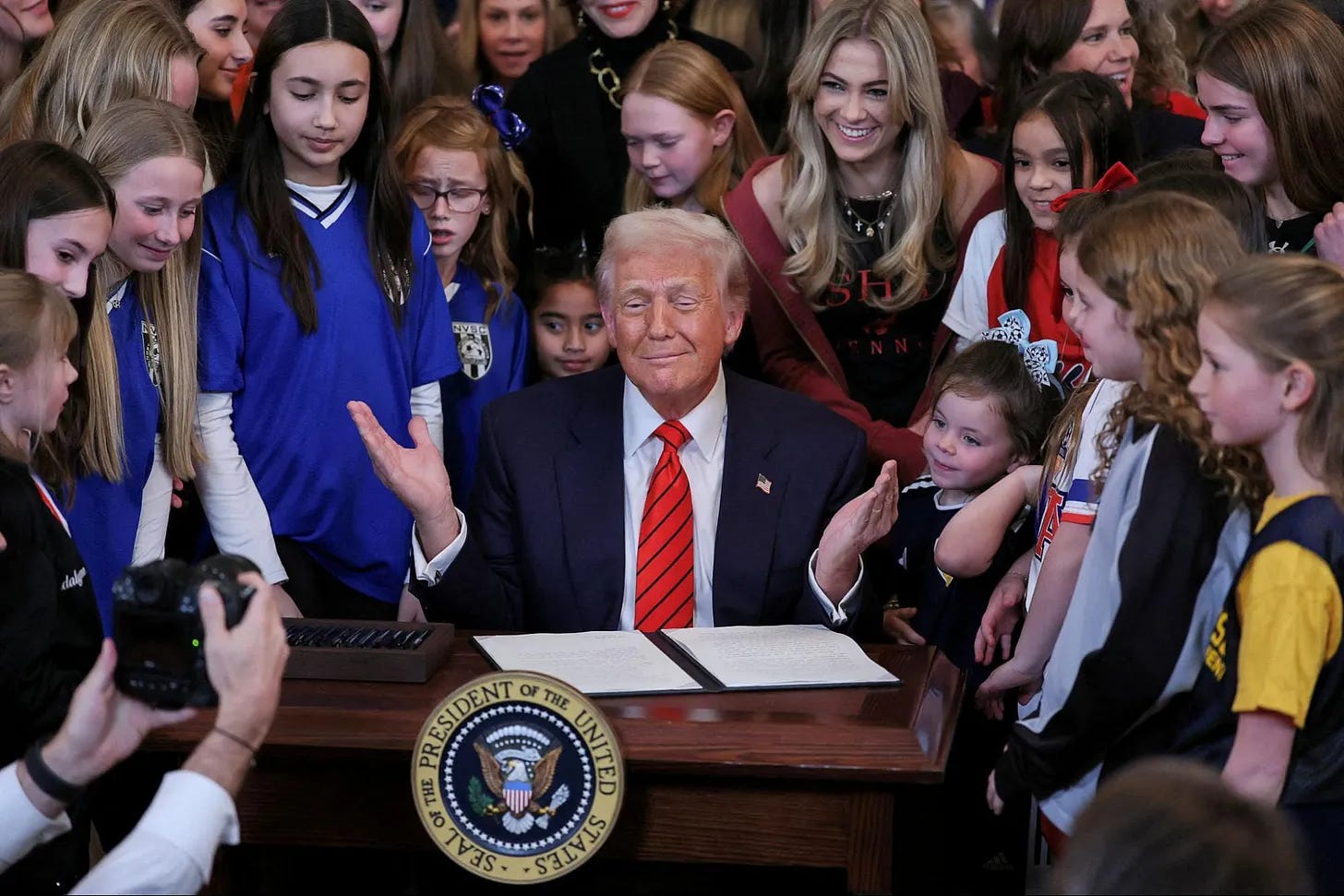
President Trump ended the semantic games by stating plainly that the federal government recognizes male and female — full stop. At Health, RFK’s department released findings sharply critical of youth gender interventions. The University of Pennsylvania formally apologized to female athletes forced to compete against men and rescinded medals awarded to trans-identified men. While the tenth anniversary of Obergefell came and went, progressives rightly worried that support for homosexual marriage was decreasing and there was more open discussion about the downstream damage, especially to women and children.

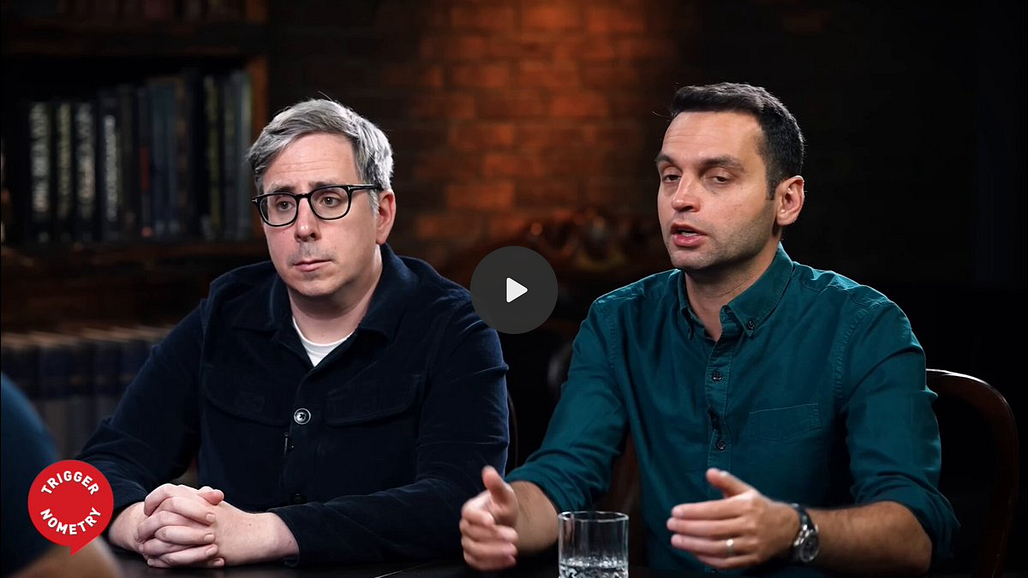
The ideological split between the sexes widened, as men increasingly moved rightward and women were bedazzled by leftist ideology. Despite all the talk of empowerment, women are not okay. Cultural messages told women that it’s a “flex” to be single, and commiserated with those burdened with “man-keeping.” All the while, women are more medicated, more anxious, and less satisfied than ever. So, it is good news that young men are finding their footing again. As Pastor Doug Wilson often says, authority flows to those who will take responsibility. And it remains true that women will follow when men lead well. Our culture still offers very little reward for such leadership, so that means the task falls to those who will mentor, model, and refuse the lie that masculinity is something to apologize for. Nick Freitas put it better than I can:

The Church–Splits and Clarity
Is it not a head-scratching coincidink that the first American pope was elected just as Donald Trump returned to office? Whatever the Conclave’s motives, Trump, fresh from an assassination attempt and increasingly convinced he is on a mission from God, has made no secret of his belief that America fares better when it leans into its Christian roots. His administration backed that conviction by expediting refuge for persecuted white Christian Afrikaners and assisting Nigerian forces in striking Islamic State leaders on Christmas Day. Pope Leo, by contrast, scolded Trump over deportations and border enforcement while insisting Christians and Muslims can coexist just fine—an easy claim for church bodies that have quietly benefited from open-borders policies. One wonders whether Vatican City might like to pilot its own multi-faith, open-borders experiment and report back.
While the Pontiff was busy blessing a block of ice, the Church of England appointed its first female head, prompting conservative conferences to sever ties. Evangelicals marked the deaths of their patriarchs James Dobson, John MacArthur, and Phil Robertson—men who shaped that branch of Protestantism for a generation. Their passing was met with ghoulish celebration, the same spirit that surfaced after the murder of Charlie Kirk.
The early-year uptick in church attendance only accelerated after Kirk’s death. Grief united believers across factions, but as the mourning faded, another reality became clear: there was no obvious successor waiting in the wings. The concerning cooperation between progressive Left and Muslims, seen in Palestine protests and the election of Zohran Mamdani, is predictable given that totalitarian world views are happy to lie and deceive until they have power. Liberals have proved useful idiots for Islamic regimes in the past, so the church should be on guard.
The West–Looting Our Heritage
A spectacular jewellery heist at the Louvre in Paris late in October offers a striking metaphor for the year we’ve just lived through. Thieves, dressed as workers — some from foreign lands — calmly looted Western treasures because no one seemed especially interested in guarding them anymore. In their haste, they even dropped a crown into the gutter as they fled.
That, in miniature, is where we are.

All year, the Trump administration worked to remove those here illegally—including people openly hostile to the nation itself—while a coalition of lawmakers, progressive clergy, activist judges, and protestors labored just as hard to stop it. Public patience wore thin at reports of illegal aliens issued commercial driving licences they could barely read, followed by revelations of eye-watering fraud among Somali networks in Minnesota.
For years, the idea that white people had contributed anything distinct or worthwhile to America was dismissed as racist. The nation was built as a “melting pot” on the backs of minorities and by “appropriating” their cultures. But when institutions like the Smithsonian recently felt confident listing “white” cultural traits—family, work, beauty, merit, faith—it is harder to pretend no particular inheritance exists. All this will be broken, stolen or auctioned off by collectivists, secularists and grifters, men who neither built nor love America, but seek to loot what it creates by preying on the West’s guilt and indifference. The tragedy is not that enemies want the crown. It is how often the West seems unsure it was worth guarding at all.
As the U.S. moves into this midterm election year and the 250th anniversary of our founding, the choices before us are clearer than they’ve been for a while. Subtlety has never been the Trump administration’s strong suit, and the blunt instrument he wields has likely caused damage yet to be measured—but sometimes the only way to force change is to strike in plain sight. The Blob complains that Trump doesn’t play by Queensberry rules, but mostly he is just doing in public what they have long done in secret. Darkness has been put on the ropes, despite himself.
Time and again, his actions exposed the contradictions of his critics: when he moved to clean up crime, they defended lawlessness; when he praised beauty, they scoffed; when he sought peace in the world, they cheered war; when he honored achievement, they belittled it; when he struck traffickers, they excused them. To toe their political line, they had to renounce life, freedom, fathers, and most of all God.
But for those willing to stand firm, 2025 is a reminder that courage matters. We can press forward, defend what is good, and trust that righteousness—though often opposed—still has the power to prevail.